
Losing a person or two from the rota doesn’t mean service has to crawl, or that the bar runs dry while customers wait three deep. Some well-picked changes will keep things moving and the crowd happy, even on a packed Friday night. There are five here. None of them involve running your staff into the ground.
1. Train Your Staff to Do More, Not Less
On a thin shift, the person who can turn their hand to anything is gold.
That’s the case for cross-training. A bartender who can also run food, a floor host who can jump behind the bar during a rush, a server who knows how to work the door when things get backed up – these people keep a short-staffed night from falling apart. Get your standard operating procedures written down clearly while you’re at it, so staff have something simple to check instead of guessing how the venue runs.
Honestly, though, teamwork matters more than either. A Saturday night rush feels survivable when people know someone’s got their back. Without that, it’s just chaos with a soundtrack.
2. Rethink Your Workflow and Layout
Clutter slows everyone down. So does a layout nobody really planned, and in a busy bar or club, that one’s possibly worse.
Give it a proper look. Watch how your staff move during a busy shift – where they’re squeezing past each other, where they’re doubling back for no good reason – then rearrange stations so those friction points go away. If your service bar is at one end of the room and your ice and garnishes are at the other, you’re bleeding time on every single drink.
Bar, kitchen, and floor staff need a clear way of talking to each other too. Otherwise orders get lost, food sits under lamps, and guests get frustrated. A logical sequence – drinks prepped before food runs, sections clearly divided – means people move in the same direction instead of bumping into each other mid-service.
3. Let Automation Handle the Repetitive Work
A stretched team gets real relief from the right tech.
A modern point-of-sale system means faster orders, fewer mistakes, and less time fumbling at the end of the night. Kitchen display systems keep food tickets moving in the right order and stop dishes from piling up cold in the pass. For venues with ticketed events or table bookings, automated reservation and ticketing tools cut out a huge amount of back-and-forth.
Then there’s the behind-the-scenes admin – liquor inventory, staff scheduling, event logistics. Automate what you can. It’s not glamorous. It does give your team more time for the parts of the job that actually need a person in the room.
4. Group Similar Tasks Together
Batching might be the simplest efficiency trick going. Instead of making drinks one by one as they’re called out, group similar orders and build them together. Same goes for food runs – if three tables near each other are all getting mains, one trip beats three.
Where it really pays off is the Saturday night rush or the post-show crowd flooding in all at once. Batch properly and service holds up. Don’t, and the bar turns into a bottleneck fast.
Look at your booking data and past event nights. Find the windows when it consistently gets slammed, and plan staffing and prep around those – so you’re stocked, prepped, and ready before the doors open, not scrambling once the room fills up.
5. Simplify Ordering and Payment
Nobody needs the delays a fiddly ordering process creates, least of all a packed venue with a team that’s already flat out. A streamlined drinks menu or a tighter food offering means guests decide faster and staff move faster. QR code ordering or tab-based systems can take real pressure off the bar, especially during peak hours.
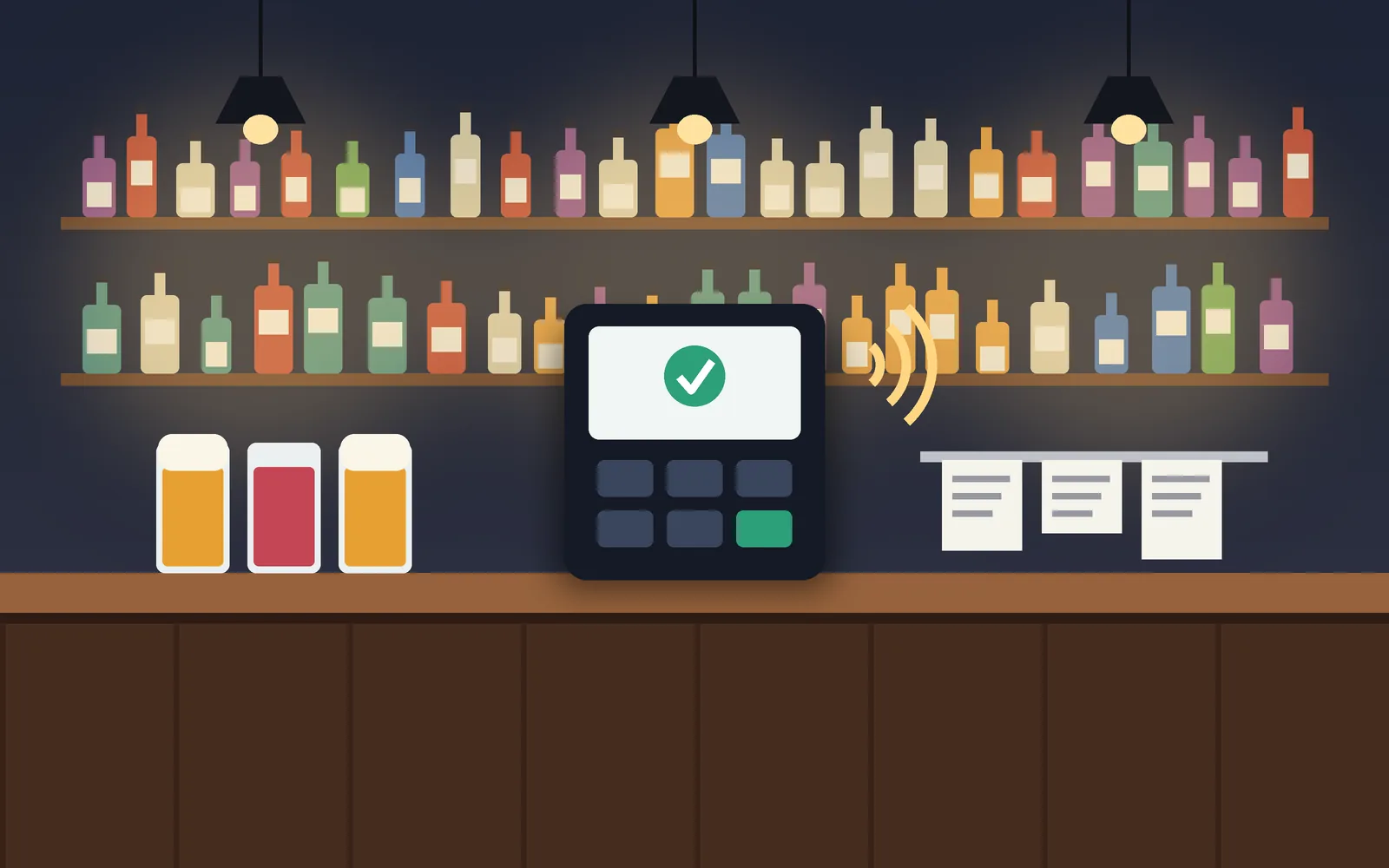
Payment’s worth thinking about too. Understand what the contactless cap change means for shops and venues – higher limits mean faster transactions, shorter queues at the bar, and less fumbling with cash when it’s loud and busy.
Small Changes, Big Impact
A faster, smoother night doesn’t need a full team or a big budget. Cross-train your staff, tighten the layout, bring in the right tools, batch where it makes sense, and make ordering and paying as easy as possible. Short-staffed or not, service can hold up – even on your busiest nights.
Try one or two of these this week and see what shifts. Build on it from there. Keep at the small adjustments, and before long, your venue runs like a well-rehearsed set.